Frequently Asked Questions
What are the benefits of attic spray foam insulation?
The benefits of attic spray foam insulation include enhanced energy efficiency, improved temperature control, and reduced energy bills. It effectively seals gaps and prevents air leaks, contributing to a more comfortable living environment and prolonging the lifespan of your HVAC system.
How does attic spray foam insulation improve energy efficiency?
Attic spray foam insulation improves energy efficiency by creating an airtight seal that prevents air leaks, reducing the workload on HVAC systems. This leads to lower energy consumption and enhanced temperature control throughout the home, resulting in significant energy savings.
What is the installation process for attic spray foam insulation?
The installation process for attic spray foam insulation involves several key steps. First, our team conducts an assessment of your attic space, followed by the removal of any old insulation. Finally, we apply the closed-cell spray foam to create an effective thermal barrier.
How long does attic spray foam insulation last?
The longevity of attic spray foam insulation is impressive, typically lasting between 20 to 30 years when properly installed and maintained. This durability contributes significantly to energy efficiency and comfort in your home over time.
Is attic spray foam insulation safe for my home?
The safety of attic spray foam insulation for your home is assured when installed properly. It is non-toxic and contributes to energy efficiency, making it a safe choice for enhancing comfort and reducing energy costs.
What are the cost savings of spray foam insulation?
The cost savings of spray foam insulation are significant. By enhancing energy efficiency, it can reduce heating and cooling bills by up to 30%, leading to substantial long-term savings on energy costs.
How does spray foam insulation reduce energy bills?
Spray foam insulation reduces energy bills by creating an airtight seal that prevents air leaks, enhancing HVAC efficiency. This leads to more consistent indoor temperatures and less energy consumption for heating and cooling, ultimately lowering utility costs.
Can spray foam insulation prevent mold growth?
Spray foam insulation can effectively prevent mold growth by creating a moisture barrier. Its closed-cell structure minimizes air leaks and reduces humidity levels in attics, making it difficult for mold to thrive.
What types of spray foam insulation are available?
The types of spray foam insulation available are primarily open-cell and closed-cell spray polyurethane foam. Open-cell foam is lightweight and flexible, ideal for interior applications, while closed-cell foam offers superior insulation and moisture resistance, making it suitable for exterior use.
How does spray foam insulation enhance indoor comfort?
Spray foam insulation enhances indoor comfort by creating an airtight seal that prevents drafts and temperature fluctuations. This results in a more consistent indoor climate, reducing the workload on HVAC systems and improving overall energy efficiency.
What are the environmental benefits of spray foam insulation?
The environmental benefits of spray foam insulation include improved energy efficiency, which reduces energy consumption and lowers greenhouse gas emissions. Additionally, its durability minimizes the need for frequent replacements, contributing to less waste in landfills.
How is spray foam insulation applied in attics?
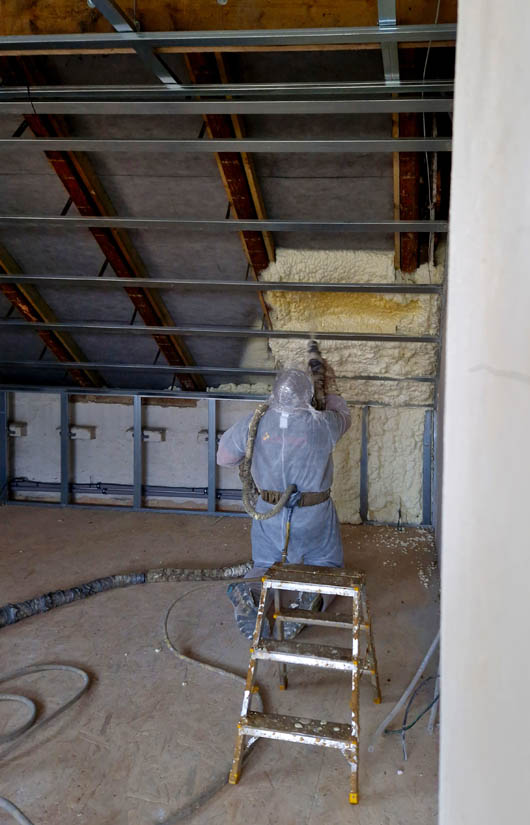
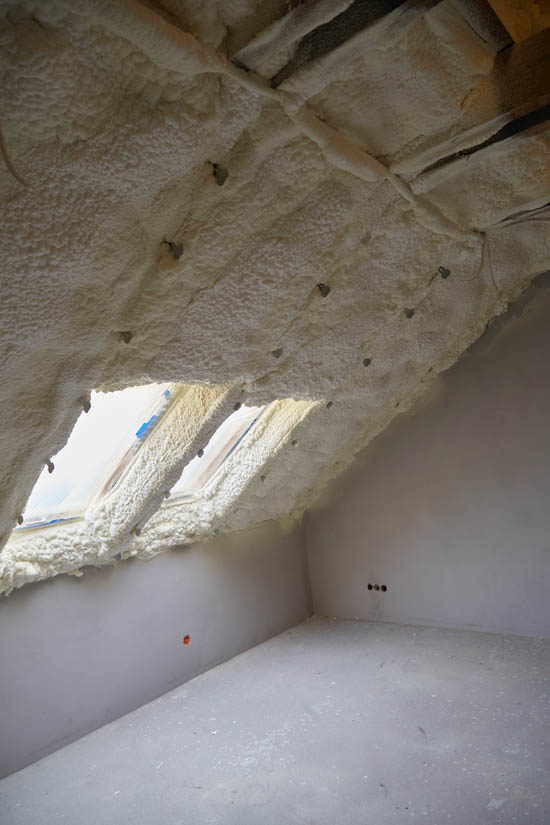
The application of spray foam insulation in attics involves a thorough assessment, followed by the removal of old insulation, and then spraying the foam directly onto the attic surfaces to create an effective air barrier and enhance energy efficiency.
What preparation is needed before installation?
Preparation needed before installation includes clearing the attic space of any debris, ensuring proper access for our team, and removing any old insulation if necessary. This helps facilitate a smooth and efficient installation process.
How does spray foam insulation compare to fiberglass?
Spray foam insulation offers superior energy efficiency and air sealing compared to fiberglass. It expands to fill gaps, preventing air leaks, while fiberglass can allow airflow and moisture retention, making spray foam a more effective choice for temperature control and comfort.
What are the maintenance requirements for spray foam insulation?
The maintenance requirements for spray foam insulation are minimal. Regular inspections for any damage or moisture issues are recommended, but generally, it does not require upkeep beyond ensuring it remains intact and free from obstructions.
How does spray foam insulation affect home resale value?
The impact of spray foam insulation on home resale value is significant. Homes with high-quality insulation, like spray foam, often attract buyers seeking energy efficiency, leading to increased market appeal and potentially higher selling prices.
What are common misconceptions about spray foam insulation?
Common misconceptions about spray foam insulation include the belief that it is overly expensive, too rigid, or harmful to health. In reality, spray foam is a cost-effective solution that enhances energy efficiency, provides flexibility, and is safe when installed correctly.
How does humidity impact spray foam insulation performance?
Humidity significantly affects spray foam insulation performance. High humidity levels can hinder the curing process, potentially leading to reduced effectiveness and longevity of the insulation, while optimal humidity ensures proper expansion and sealing for maximum energy efficiency.
What safety measures are taken during installation?
The safety measures taken during installation include using personal protective equipment (PPE), ensuring proper ventilation, and following strict safety protocols to minimize risks. Our trained professionals prioritize safety to protect both the workers and your home.
How can I find a qualified installer for spray foam?
Finding a qualified installer for spray foam involves researching local contractors, checking their certifications, and reading customer reviews. It's also beneficial to request quotes and ask about their experience with attic spray foam insulation specifically.
What is the lifespan of spray foam insulation?
The lifespan of spray foam insulation is typically between 25 to 30 years when installed properly. This durable insulation can significantly enhance energy efficiency and comfort in your home throughout its lifetime.
How does spray foam insulation improve HVAC efficiency?
Spray foam insulation significantly enhances HVAC efficiency by creating an airtight seal in attics, preventing air leaks. This reduces the workload on heating and cooling systems, leading to lower energy consumption and improved temperature control throughout the home.
Can spray foam insulation be installed in existing homes?
Spray foam insulation can be installed in existing homes. This process involves assessing the current insulation and making necessary preparations, ensuring effective application for improved energy efficiency and comfort.
What are the signs of inadequate insulation in attics?
The signs of inadequate insulation in attics include fluctuating indoor temperatures, increased energy bills, and visible signs of moisture or ice dams on the roof. Additionally, drafts and uncomfortable rooms can indicate insufficient insulation.
How does spray foam insulation contribute to soundproofing?
Spray foam insulation contributes to soundproofing by creating a dense barrier that absorbs sound vibrations, reducing noise transmission between rooms. Its seamless application fills gaps and cracks, enhancing overall acoustic performance in your home.
What certifications should spray foam insulation have?
The certifications that spray foam insulation should have include those from the American Society for Testing and Materials (ASTM), the Environmental Protection Agency (EPA), and the Spray Polyurethane Foam Alliance (SPFA). These ensure safety, performance, and environmental compliance.
How does temperature affect spray foam insulation curing?
Temperature significantly influences the curing process of spray foam insulation. Ideal temperatures between 60°F and 80°F ensure proper expansion and adhesion, while extreme cold can slow curing, leading to ineffective insulation performance.
What are the health considerations for spray foam insulation?
The health considerations for spray foam insulation include potential exposure to chemicals during installation, which can cause respiratory irritation. However, once fully cured, it is safe for occupants and can improve indoor air quality by reducing drafts and moisture.
How can I assess my attic insulation needs?
Assessing your attic insulation needs involves checking for signs of heat loss, such as drafts or uneven temperatures, and measuring the existing insulation thickness. Consulting a professional can provide a comprehensive evaluation of your insulation effectiveness.
What warranties are available for spray foam insulation?
The warranties available for spray foam insulation typically include a manufacturer's warranty covering the foam's performance and a labor warranty from the installation company, ensuring quality workmanship and protection against defects for a specified period.